



By West Albany Dental
Dentures provide an essential solution for many people who have lost their natural teeth. They restore function, support speech, and contribute to a confident smile. But just like natural teeth, dentures require care and maintenance. Regular check-ups and adjustments ensure that your dentures remain comfortable, functional, and in good condition for the long term.
If you wear dentures, you might wonder: how often should you get them checked or adjusted? The answer depends on several factors, including your personal needs, the type of dentures you have, and your overall oral health. This article explores why regular dental visits for denture checks are essential and what you can expect during these visits.
Why Regular Denture Check-ups Matter
The truth is, your mouth changes over time. As you age, your gums and bone structure may shift, which can affect how your dentures fit. A well-fitting denture is crucial not just for comfort, but also for your overall oral health. Ill-fitting dentures can cause irritation and sores, and may lead to more severe issues such as bone loss or infection.
At West Albany Dental, we believe in taking a proactive approach to your denture care. Regular check-ups help us ensure that your dentures are properly adjusted and that any wear or damage is promptly addressed. The goal is to maintain the functionality of your dentures while keeping your mouth healthy.
How Often Should You Visit for Denture Check-ups?
While everyone’s needs are different, a general guideline is to visit your dentist for a dentures check-up every 6 to 12 months. However, if you experience any discomfort, changes in fit, or issues with your dentures in the interim, don’t hesitate to schedule an appointment sooner. Early detection and treatment of problems can help prevent more serious complications down the road.
Here are some signs that it might be time to visit West Albany Dental for a denture adjustment:
- Difficulty chewing or speaking: If your dentures no longer fit as well as they used to, it can make simple tasks like chewing and speaking uncomfortable.
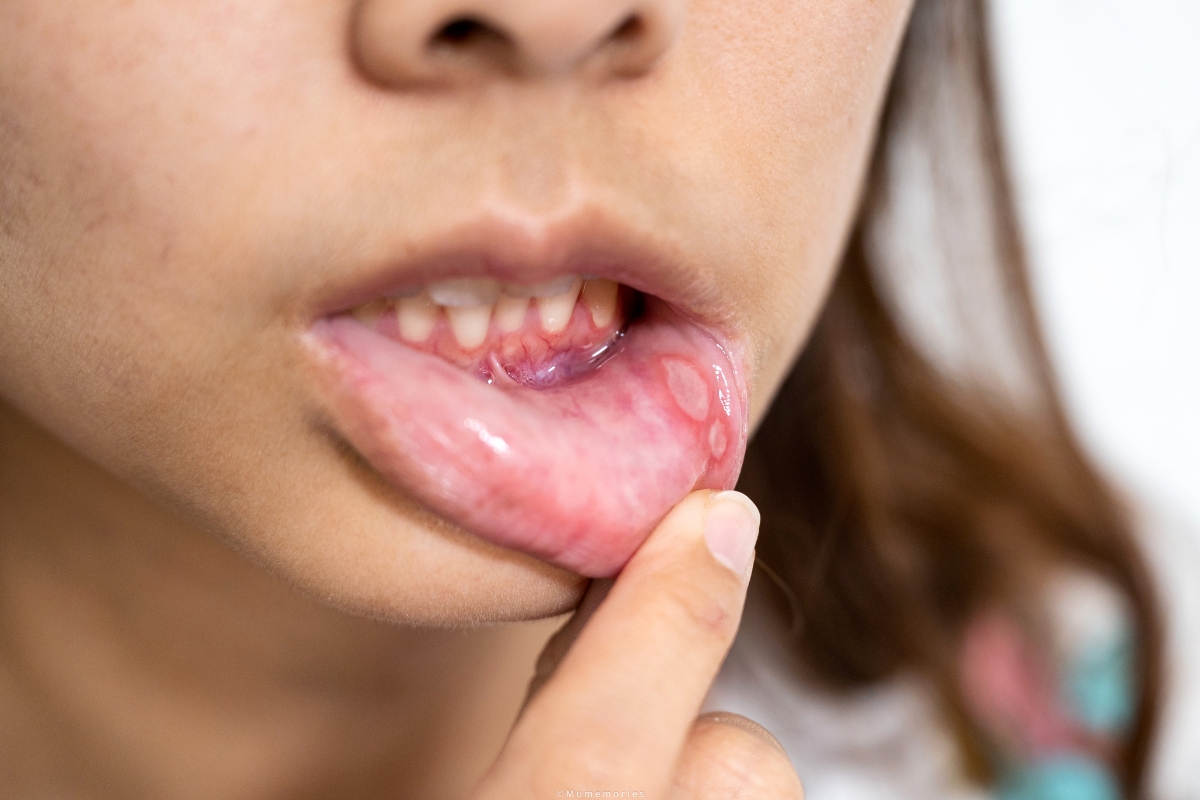
- Pain or irritation: Sore spots or pain inside your mouth may indicate that your dentures are rubbing against your gums or that the fit has shifted.
- Loose dentures: If your dentures feel loose, they may not stay in place while eating or speaking. This can be both frustrating and uncomfortable.
- Cracks or damage: Dentures are durable, but they can still get damaged over time. Any visible cracks, chips, or signs of wear should be addressed immediately to avoid further damage.
How Denture Adjustments Can Improve Comfort
When you visit West Albany Dental, we’ll carefully evaluate the fit of your dentures. Over time, your gums can change shape, especially after the initial adjustment period. During this assessment, we may adjust the dentures to fit more comfortably or make any necessary repairs to extend their lifespan.
Some common denture adjustments include:
- Reshaping or relining: If your dentures are no longer fitting snugly, they may need to be relined or reshaped. This process involves adding new material to the base of your dentures to improve fit.
- Replacing worn-out parts: Denture teeth can wear down over time. If you notice that your dentures are looking worn or discolored, a replacement may be necessary.
- Realigning bite: If you experience discomfort while chewing, it might be due to an alignment issue. We can adjust the bite to make chewing more comfortable.
The Importance of Regular Cleanings and Maintenance
In addition to regular check-ups and adjustments, proper denture care and cleaning are vital. Just like natural teeth, dentures can accumulate bacteria, plaque, and tartar. Daily cleaning is essential to prevent gum irritation and maintain the health of your remaining natural teeth.
Here are some tips for keeping your dentures in good condition:
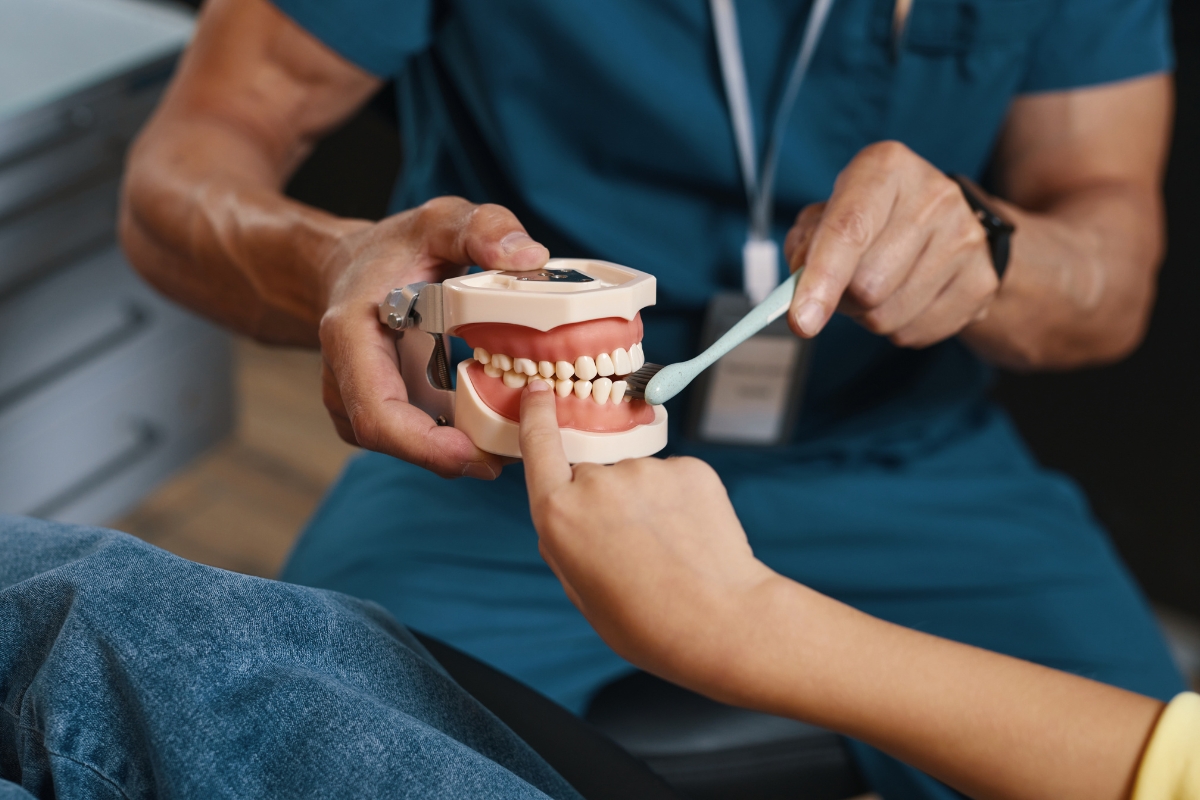
- Brush your dentures daily: Use a soft-bristled brush and a non-abrasive cleaner to remove food particles and plaque.
- Soak overnight: Dentures should be soaked overnight to keep them moist and to help prevent warping.
- Avoid hot water: When cleaning your dentures, always use lukewarm or cool water. Hot water can cause them to warp or lose their shape.
Do Your Dentures Need to Be Replaced?
Even with regular maintenance, dentures have a lifespan. On average, dentures should be replaced every 5 to 7 years. Over time, your dentures may become worn, discolored, or less effective in maintaining proper function. If you’ve had your dentures for several years and notice they no longer fit comfortably or show signs of wear, it might be time for a replacement.
At West Albany Dental, we can guide you through choosing new dentures and ensure your new set provides the comfort and functionality you need to feel confident again.
People Also Ask
How long do dentures last before needing replacement?
Dentures typically last between 5 and 7 years, but with proper care, they can last longer. However, due to changes in your gums and bone structure, they may need to be relined or replaced over time.
Can dentures cause gum irritation?
Yes, ill-fitting dentures can cause irritation, sores, and even infections. If you experience discomfort, it’s important to visit your dentist for an adjustment.
How can I keep my dentures clean?
Brush your dentures daily with a soft-bristle brush and a denture cleaner. Soak them overnight to prevent drying out, and always avoid using hot water to clean them.
Can dentures affect speech?
Initially, you might experience difficulty speaking with new dentures. However, with practice and regular adjustments, most patients find that they can speak clearly with their dentures.
What should I do if my dentures are loose?
If your dentures are loose, schedule an appointment with your dentist. Loose dentures can cause discomfort, and they may need to be relined or adjusted for a better fit.