



By West Albany Dental
If you have a missing tooth, your dentist has probably mentioned dental bridges. But most patients leave the office with more questions than answers. At West Albany Dental, Dr. Hannah Glazunov believes informed patients make better decisions. These are the 5 questions about dental bridges your dentist wishes you’d ask in Albany — answered honestly and clearly.
1. Am I a Good Candidate for a Dental Bridge in Albany?
Not every patient is an ideal candidate for a dental bridge. A bridge works best when you have one or more missing teeth with healthy teeth on either side. Those neighboring teeth will serve as anchors, called abutment teeth.
Dr. Glazunov will evaluate your gum health, bone density, and overall oral health first. If you have significant gum disease or bone loss, treatment may be needed before placing a bridge. Healthy supporting teeth are essential to long-term bridge success.
Some patients may be better suited for dental implants instead. During your consultation, Dr. Glazunov will walk you through all your options. The goal is always to find what works best for your specific situation.
2. What Does the Dental Bridge Process Actually Look Like?
Many patients feel anxious because they don’t know what to expect. The bridge process at West Albany Dental typically involves two main appointments. Understanding each step can make the experience far less stressful.
Here is a step-by-step overview of what you can expect:
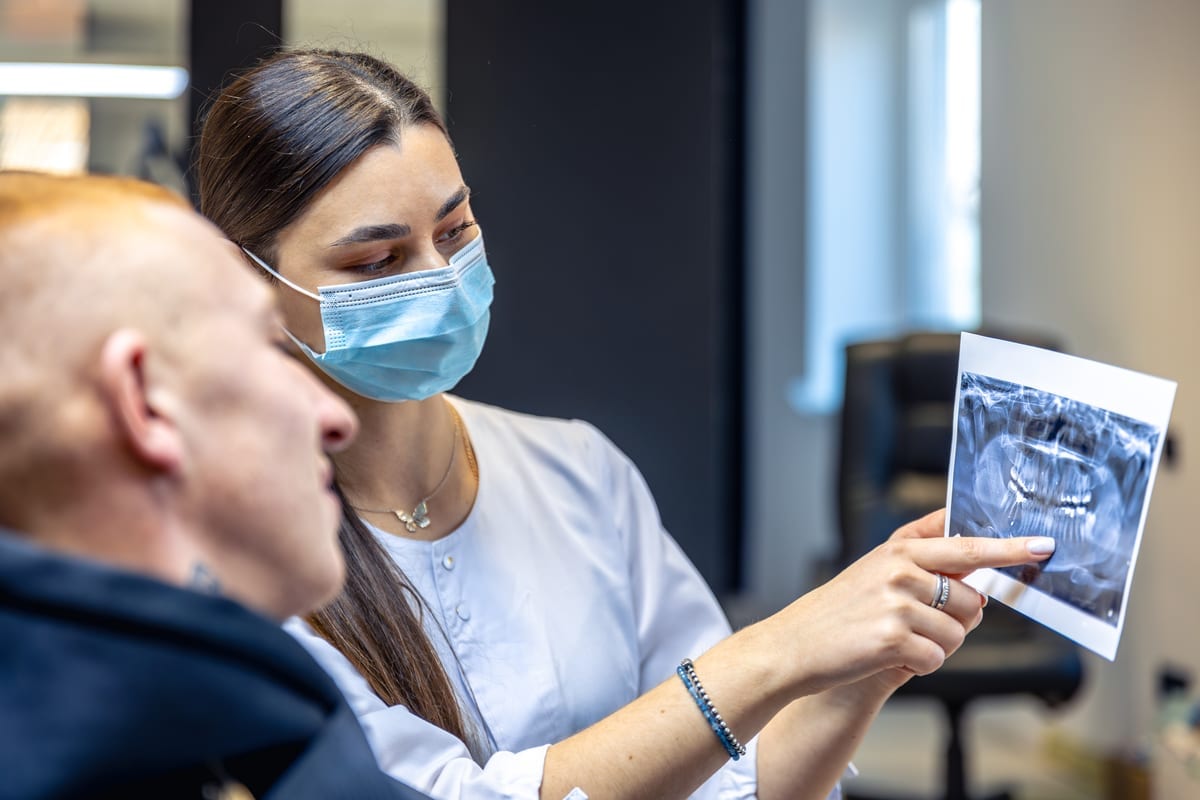
- Consultation and exam: Dr. Glazunov examines your teeth and takes X-rays to assess your candidacy.
- Tooth preparation: The abutment teeth are gently reshaped to make room for the bridge crowns.
- Impressions: A detailed mold of your teeth is taken and sent to a dental lab.
- Temporary bridge: You’ll wear a temporary bridge while your permanent one is being crafted.
- Permanent placement: Your custom bridge is fitted, adjusted, and cemented into place.
Most patients are surprised by how manageable each visit feels. Local anesthesia keeps you comfortable throughout. Dr. Glazunov and our team guide you through every step with care.
3. How Long Will My Dental Bridge Last?
This is one of the most common questions patients ask before committing to treatment. A well-maintained dental bridge can last 10 to 15 years or longer. Some patients keep their bridges in excellent condition for 20 years or more.
Longevity depends on a few key factors:
- Daily brushing and flossing under and around the bridge
- Regular professional cleanings at West Albany Dental
- Avoiding habits like chewing ice or grinding your teeth
- Addressing any dental concerns early before they worsen
A special floss threader or water flosser can help you clean under the bridge pontic. Dr. Glazunov’s team will show you exactly how to care for your new bridge. Good habits from day one make a big difference in how long it lasts.
4. Will I Need a Root Canal or Other Treatment First?
Sometimes a patient needs additional treatment before a bridge can be placed. If an abutment tooth is infected or severely decayed, it must be treated first. Placing a bridge over an unhealthy tooth can cause the restoration to fail prematurely.
In some cases, Root Canal Treatment Albany patients receive is necessary to save and strengthen an abutment tooth. This ensures the anchor teeth are healthy enough to support the bridge long-term. It may feel like a delay, but it protects your investment.
Dr. Glazunov will be upfront about any preparatory treatment you might need. There are no surprises at West Albany Dental — just clear, honest communication. You’ll always know the full plan before any work begins.
5. What Happens If Something Goes Wrong With My Bridge?
Bridges are durable, but problems can occasionally occur. A bridge may loosen, chip, or feel uncomfortable after placement. Knowing what to do in these situations helps you act quickly and avoid further damage.
Common issues that may arise include:
- A loose bridge due to cement breakdown over time
- Chipping or cracking from biting down on hard foods
- Sensitivity in the abutment teeth after placement
- Gum irritation around the bridge edges
If you experience any of these issues, contact West Albany Dental promptly. If you’re dealing with sudden, severe pain, our Emergency Dentist Albany team can see you quickly. We’re here to help you protect your smile no matter what comes up.
Most problems are minor and easy to fix when caught early. Regular check-ups help Dr. Glazunov spot potential issues before they become serious. Staying on top of your dental visits is your best defense.
Why Albany Patients Choose West Albany Dental for Bridges
Choosing the right dental team makes all the difference for a successful bridge outcome. Dr. Hannah Glazunov combines clinical expertise with a patient-first approach. Every bridge at West Albany Dental is custom-designed to match your natural teeth in color, shape, and fit.
Our Albany patients appreciate honest answers and a judgment-free environment. We take time to explain your treatment so you feel confident before we begin. That’s the kind of care that builds lasting relationships in our community.
If you’ve been putting off addressing a missing tooth, now is a great time to take the first step. A dental bridge can restore your smile, your bite, and your confidence. Book Now to schedule your appointment with our team.
Frequently Asked Questions
How much does a dental bridge cost in Albany, OR?
The cost of a dental bridge varies depending on the number of missing teeth, the materials used, and any preparatory treatment needed. Dr. Glazunov will provide a detailed cost estimate during your consultation so you know exactly what to expect before committing to treatment.
Is getting a dental bridge painful?
Most patients experience minimal discomfort during the bridge procedure. Local anesthesia is used throughout tooth preparation and placement. Some mild sensitivity is normal after the appointment, but it typically fades within a few days.
Can a dental bridge be used to replace more than one tooth?
Yes, a dental bridge can replace multiple consecutive missing teeth. The bridge spans the gap using two or more crowns on the abutment teeth with artificial teeth in between. Dr. Glazunov will assess whether this is the right solution based on the number of teeth missing and the health of the surrounding teeth.
How is a dental bridge different from a dental implant?
A dental bridge relies on neighboring teeth for support, while a dental implant is anchored directly into the jawbone. Implants do not require altering adjacent teeth and can help preserve bone structure. Dr. Glazunov will discuss both options with you so you can make the best choice for your needs.
How soon can I eat normally after getting a dental bridge?
Most patients can eat soft foods within a day or two after bridge placement. You should avoid very hard, sticky, or chewy foods for the first week. Over time, your bridge will feel natural and you can return to most of your normal eating habits.