




By West Albany Dental
Your tooth crown just fell out — and if you’re searching for answers right now in Albany, you’re in the right place. This situation feels alarming, but try to stay calm. A lost crown is one of the most common dental emergencies we see at West Albany Dental. Knowing exactly what to do in the next few hours can protect your tooth and prevent a bigger problem.
Dr. Hannah Glazunov and our team help Albany patients navigate moments like this every day. This guide gives you clear, practical steps to follow right now.
Why Crowns Fall Out — And What It Means For Your Tooth
Crowns don’t usually fall out without reason. The most common causes include old or weakened dental cement, tooth decay underneath the crown, a cracked tooth, or biting down on something unexpectedly hard. Sometimes a crown loosens gradually before it finally comes off completely.
When a crown falls out, the tooth underneath becomes exposed. That tooth may be sensitive, weakened, or partially decayed. Leaving it unprotected — even for a day or two — increases the risk of pain, infection, or fracture.
A lost crown is not something to ignore or wait out. The sooner you see your dentist, the better your options are for saving both the crown and the tooth. If you’re experiencing dental pain or tooth exposure, contact an Emergency Dentist Albany right away for same-day care.
What To Do Right Now If Your Crown Just Fell Out in Albany
First, find the crown if you can. Rinse it gently with warm water and keep it in a small container or zip-lock bag. Do not scrub it or use toothpaste on it. Your dentist may be able to re-cement the original crown if it’s undamaged.
Next, gently rinse your mouth with warm salt water. This helps clean the exposed tooth and reduces the risk of bacterial buildup. Avoid touching the exposed tooth with your tongue repeatedly — it’s tempting but can introduce bacteria.
Here’s a quick checklist of immediate steps to take:
- Locate and safely store the fallen crown
- Rinse your mouth with warm salt water
- Apply a small amount of dental cement or sugar-free gum as a temporary cover
- Avoid chewing on that side of your mouth
- Call your dentist to schedule an emergency appointment
- Take an over-the-counter pain reliever if you experience discomfort
Temporary dental cement is available at most Albany pharmacies. It won’t fix the problem, but it protects the tooth until you can get professional care. Apply it carefully according to package instructions.
What NOT To Do After Losing a Crown
Some well-meaning actions can actually make things worse. Knowing what to avoid is just as important as knowing what to do.
Do not try to glue the crown back yourself using household adhesives like super glue. These products are toxic and bond permanently in ways that damage your tooth and the crown. Your dentist cannot safely remove a crown bonded with household glue.
Avoid eating on the affected side entirely. Hard, crunchy, or sticky foods can crack the exposed tooth or pull the tooth further apart. Even soft foods should be chewed on the opposite side.
Here are the key things to avoid after a crown falls out:
- Using super glue or household adhesives on the crown
- Chewing on the affected side
- Poking or probing the exposed tooth with sharp objects
- Ignoring severe pain, swelling, or sensitivity to temperature
- Waiting more than 24–48 hours to contact your dentist
Pain or temperature sensitivity after losing a crown can signal nerve involvement. In those cases, Root Canal Treatment Albany may be needed to save the tooth before a new crown is placed.
What to Expect When You Visit West Albany Dental
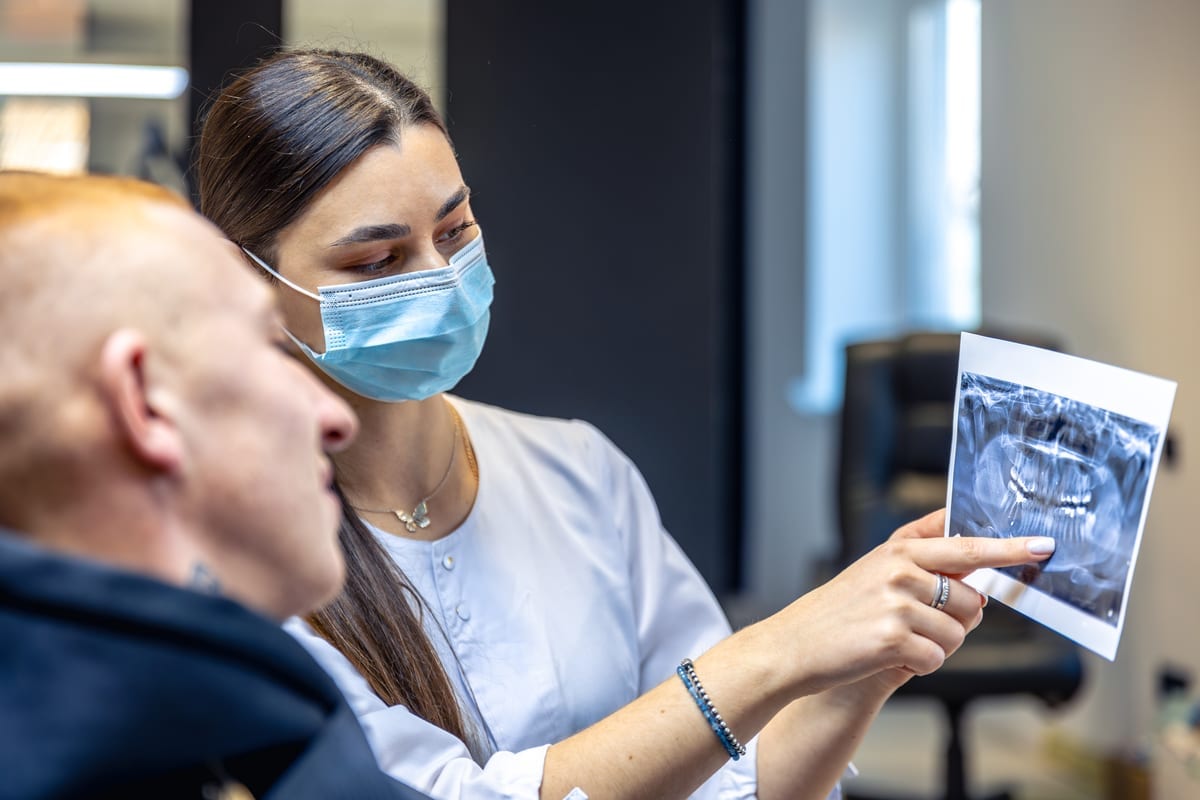
When you come into our Albany office, Dr. Glazunov will examine the exposed tooth and the condition of the fallen crown. She will take X-rays if needed to check for decay, fractures, or infection below the gumline.
If the crown is intact and the tooth is healthy, re-cementing the original crown is often the fastest solution. This is a straightforward appointment that typically takes under an hour. You leave with your tooth protected and your smile restored.
If the tooth has decayed or the crown is damaged, Dr. Glazunov will walk you through your options clearly. A new crown may be needed. In some cases, additional treatment is required before a new crown can be placed. Every recommendation is based on what’s best for your long-term dental health.
Our team prioritizes comfort throughout the process. We understand that dental emergencies are stressful, and we work quickly to get you out of pain and back to normal.
Preventing Future Crown Problems
Once your crown is back in place, there are simple habits that help keep it secure. Avoid chewing ice, hard candy, or very sticky foods like caramel on a regular basis. These put excess stress on crowns and natural teeth alike.
Regular checkups with Dr. Glazunov allow her to monitor crown condition over time. She can spot early signs of cement weakening or decay forming beneath the crown before a problem becomes an emergency. Most crowns last 10–15 years with proper care.
Good daily oral hygiene also matters. Brush gently around the crown margin where it meets the gum. Floss carefully using a gentle C-shape motion — don’t snap the floss, which can dislodge a crown that’s already loosening.
Conclusion
Losing a dental crown is unsettling, but it’s very manageable when you act quickly and calmly. Protect the exposed tooth, store the crown safely, and contact your dentist as soon as possible. The team at West Albany Dental is here to help Albany patients through exactly this kind of situation — with fast, compassionate care from Dr. Hannah Glazunov. Don’t wait and hope the discomfort goes away. Book Now to schedule your appointment with our team.
Frequently Asked Questions
Can I put my crown back on myself at home?
You can use temporary dental cement from a pharmacy to hold the crown in place until your appointment — but only as a short-term measure. Never use household glue or adhesives. Only your dentist can properly re-cement or replace a crown to ensure it fits correctly and protects the tooth.
How long can I wait before seeing a dentist after a crown falls out?
You should contact your dentist within 24–48 hours. The exposed tooth is vulnerable to bacteria, decay, and fracture. Waiting longer increases the risk of needing more extensive treatment. If you experience pain, swelling, or sensitivity to hot and cold, seek care the same day.
Will I need a new crown or can my old one be reused?
It depends on the condition of the crown and the tooth underneath. If the crown is undamaged and the tooth is healthy, your dentist can often re-cement the original crown. If the crown is cracked or the tooth has decayed, a new crown will need to be made.
Does a fallen crown always mean I need a root canal?
Not always. A root canal is only recommended if the tooth’s inner nerve is affected by infection or decay. Many patients simply need their crown re-cemented or replaced. Dr. Glazunov will examine your tooth thoroughly before recommending any additional treatment.
What if I swallowed the crown?
If you swallowed the crown, don’t panic. Dental crowns are generally small enough to pass through the digestive system without causing harm. Contact your dentist so a replacement can be made. If you experience any chest pain or difficulty swallowing, seek medical attention immediately.